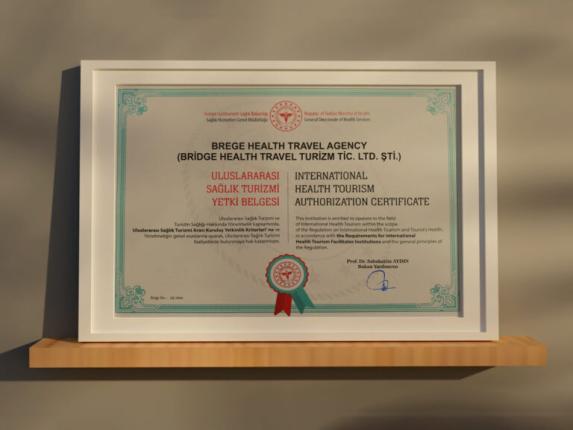
Gastric Sleeve Clinic in Turkey

WhatClinic Patient Service Award

  • Semaglutide is a weight-loss medication that mimics a hormone regulating appetite and food intake. In the UK, it is marketed under the brand names Ozempic (for diabetes) and Wegovy (for obesity). It is prescribed to individuals struggling with weight management, often in conjunction with diet and exercise.
  • A mass in the stomach refers to an abnormal growth or lump, which could be benign (non-cancerous) or malignant (cancerous). It may present with symptoms such as pain, bloating, or unexplained weight loss. Diagnostic tests like imaging or a biopsy are essential for determining the nature of the mass and whether surgical removal or further treatment... +More
  • The Roux-en-Y procedure is a type of gastric bypass surgery where the stomach is divided into a small pouch, and part of the small intestine is rerouted to the new pouch. This reduces both food intake and nutrient absorption, leading to significant weight loss and improvements in obesity-related health conditions.
  • Common VSG side effects include nausea, vomiting, acid reflux, and constipation due to the smaller stomach size. Nutrient deficiencies, like vitamin B12 and iron, may occur if patients don't follow their prescribed supplements. Long-term complications can include weight regain or the development of gastroesophageal reflux disease (GERD).
  • A pre-surgery diet prepares the body for bariatric surgery, typically focusing on reducing liver size and overall fat to make the procedure safer. This high-protein, low-carbohydrate diet often lasts for 1-2 weeks before surgery. Patients must follow a strict plan of liquids and protein shakes to shrink the liver and facilitate surgery.
  • A sleeve diet plan involves gradual dietary progression after surgery, focusing on protein-rich foods, minimal carbohydrates, and small portion sizes. Long-term, patients must continue eating nutrient-dense, low-calorie meals to maintain weight loss. Key components include lean meats, vegetables, whole grains, and avoiding sugary and fatty foods.
  • After sleeve gastrectomy, patients follow a specific diet to help the stomach heal and ensure success in weight loss. The diet starts with liquids, followed by pureed foods, and eventually soft foods before transitioning to solid foods. High-protein, low-fat, and low-sugar meals are critical, along with small, frequent portions.
  • The choice between gastric sleeve surgery and gastric bypass depends on individual factors. The sleeve is less invasive and focuses solely on restricting stomach size, while the bypass alters both stomach size and digestive processes. Bypass surgery often results in more weight loss but comes with higher risks of malabsorption and complications.
  • The cost of Roux-en-Y (RNY) gastric bypass surgery varies widely depending on the country, hospital, and insurance coverage. In the U.S., it typically ranges between $20,000 and $30,000. In the UK, the procedure may be covered by the NHS if the patient meets specific criteria, or it can be done privately for £8,000 to £15,000.
  • Sleeve bariatric surgery, also known as Vertical Sleeve Gastrectomy (VSG), is a restrictive procedure where 80% of the stomach is removed. This reduces stomach capacity, limiting food intake and helping with significant weight loss. It is one of the most popular forms of bariatric surgery due to its effectiveness and relatively lower risk compared... +More
  • Lap band removal is necessary for patients experiencing complications or insufficient weight loss from their adjustable gastric band. Common reasons include slippage, erosion, infection, or intolerance to the band. The removal procedure is typically straightforward, and patients may choose to undergo a different bariatric procedure, such as a... +More
  • An abdominal tumor is any abnormal growth located within the abdomen. Tumors can originate from the stomach, intestines, liver, or other abdominal organs. They can be benign or malignant, and treatment often involves surgery, chemotherapy, or radiation therapy, depending on the tumor's size, type, and stage.
  • Patients typically need a Body Mass Index (BMI) of 35 or higher, with obesity-related health conditions, or a BMI of 40 or more to qualify for gastric sleeve surgery. This surgery, known as Vertical Sleeve Gastrectomy (VSG), involves removing about 80% of the stomach to reduce food intake and is one of the most popular bariatric procedures.
  • Irritable Bowel Syndrome (IBS) and gastritis are two distinct conditions, though both cause abdominal discomfort. IBS is a chronic condition affecting the large intestine, while gastritis involves inflammation of the stomach lining. Both can be triggered by stress, poor diet, or infections, and treatment usually involves dietary adjustments and... +More
  • After lap band surgery, patients must follow a specific diet to maximize the success of the procedure and avoid complications. Immediately post-surgery, a liquid diet is followed by a progression to soft foods and, eventually, solid foods. The diet must be high in protein and low in sugar, with small, frequent meals to avoid overfilling the... +More
  • Bikini sleeve is a colloquial term referring to a gastric sleeve surgery performed through small, hidden incisions around the bikini line to minimize visible scarring. This technique is designed for patients who are concerned about the cosmetic appearance of their body post-surgery while achieving the same weight loss benefits as traditional... +More
  • A bowel doctor, another term for a gastroenterologist, focuses on the intestines and related organs. Patients may seek care from a bowel doctor for conditions like Crohn's disease, ulcerative colitis, diverticulitis, or bowel cancer. They also manage complications that arise in the bowel following surgeries like the Roux-en-Y gastric bypass or... +More
  • A "belly doctor" typically refers to a gastroenterologist, a specialist who treats conditions affecting the stomach and digestive system. Patients see belly doctors for issues like ulcers, acid reflux, irritable bowel syndrome (IBS), and chronic stomach pain. Bariatric patients often consult gastroenterologists for pre- and post-surgery care to... +More
  • Diet tablets, or weight-loss pills, are medications or supplements designed to help individuals lose weight by suppressing appetite, boosting metabolism, or blocking fat absorption. Common prescription options include Orlistat and Phentermine, while over-the-counter products often include herbal supplements. However, these should be used under... +More
  • The "Slimming Pen" refers to injectable medications like Saxenda and Wegovy (semaglutide) that help with weight loss. These medications regulate hunger hormones, helping users feel fuller and eat less. They are prescribed for individuals who need additional support in managing their weight, especially when diet and exercise alone aren’t sufficient... +More
  • Roux-en-Y Gastric Bypass (RYGB) is a popular form of bariatric surgery that reduces the size of the stomach and reroutes the digestive system. This results in both restriction of food intake and malabsorption, leading to significant weight loss. The surgery is considered highly effective for morbidly obese individuals and also helps improve... +More
  • RNY reversal is the process of undoing the Roux-en-Y gastric bypass. Although rare, reversals are sometimes necessary due to complications such as malnutrition, severe dumping syndrome, or other medical issues.
  • The balloon pill, also known as the gastric balloon, is a non-surgical weight-loss device that is swallowed and then inflated inside the stomach. It takes up space, helping patients feel fuller on less food. The balloon is temporary and is usually left in place for six months before being removed. It is a popular option for people who want a non-... +More
  • WLS stands for Weight Loss Surgery, and bariatric surgery is a broad term that includes procedures like gastric bypass, sleeve gastrectomy, and adjustable gastric banding. Bariatric surgery is performed to treat morbid obesity when lifestyle changes alone have failed to produce significant weight loss. It leads to long-term weight loss and... +More
  • RNY (Roux-en-Y) gastric bypass and the gastric sleeve (sleeve gastrectomy) are two of the most common bariatric surgeries. While both procedures restrict the stomach’s size, the RNY bypass also reroutes part of the small intestine, reducing calorie absorption. The sleeve removes a large portion of the stomach without altering the intestines. The... +More
  • A GI malignancy refers to any cancerous growth within the gastrointestinal tract. These cancers are often aggressive and can spread quickly if not detected early. Colon cancer, stomach cancer, and pancreatic cancer are common forms of GI malignancy. Gastroenterologists play a vital role in screening for these cancers through procedures like... +More
  • Cancer of the Gastrointestinal Tract (GIT) includes cancers that affect the stomach, intestines, esophagus, colon, liver, and pancreas. Symptoms vary depending on the type of cancer but may include weight loss, blood in the stool, or persistent abdominal pain. Early detection is crucial for improving survival rates, and treatment options range... +More
  • A gastroenterologist is a specialist in diagnosing and treating diseases of the gastrointestinal tract, including the stomach, intestines, liver, pancreas, and gallbladder. Common conditions treated include IBS, Crohn's disease, and gastritis. They play a critical role in the care of patients post-bariatric surgery, helping manage complications... +More
  • Tummy illness refers to a range of conditions affecting the stomach, including gastroenteritis, ulcers, acid reflux, and food intolerances. Symptoms can include nausea, bloating, and abdominal pain. In cases of chronic or severe symptoms, consulting a gastroenterologist is essential for diagnosis and treatment.
  • In the UK, diet pills can be prescribed by doctors or purchased over-the-counter. Common options include Orlistat (available on the NHS), which reduces fat absorption, and appetite suppressants like Phentermine. The use of diet pills should always be monitored by healthcare professionals to avoid potential side effects or misuse.
  • The NHS in the UK has started prescribing Wegovy to patients who struggle with obesity and have failed to achieve significant weight loss through diet and exercise. This medication is part of a broader initiative to provide patients with additional tools to combat the obesity epidemic. Wegovy is typically prescribed alongside lifestyle changes to... +More
  • Wegovy (semaglutide) is a medication that helps with weight loss by mimicking a hormone that regulates appetite. It is prescribed to individuals with obesity or those with weight-related health problems. In the UK, Wegovy has been approved for NHS use for patients who meet certain criteria, providing a non-surgical option for those seeking medical... +More

Pages

Gastric Balloon Treatments in Turkey

A Gastric Sleeve Clinic in Antalya

A Gastric Sleeve Clinic in Antalya, Gastric sleeve, Gastric Sleeve Reviews in Antalya, Gastric Sleeve Treatments in Antalya, Gastric Sleeve Treatments in Turkey

Is it safe to have a gastric sleeve in Antalya?

Well, Turkey has a robust healthcare system, with the Turkish Ministry of Health regulating medical facilities and practitioners to ensure high standards of care. Turkey's safety record for bariatric surgery is excellent, with low rates of complications and a high success rate.

Who is eligible for gastric sleeve in Antalya?

Gastric Sleeve in Turkey can be performed if the patients: BMI is 40 or higher (extreme-severe obesity). BMI is 35 to 39.9 and has a serious weight-related health problem that can improve with weight loss.

How much does a sleeve cost in Antalya?

Gastric Sleeve Turkey
Gastric Sleeve Turkey Price Range Turkey Price Range Europe
Gastric Bypass €2.000,00 €2.600,00
Sleeve Gastrectomy €2.200,00 €2.900,00
Biliopancreatic diversion with duodenal switch €1.800,00 €2.200,00


A Gastric Sleeve Clinic in Turkey / Antalya

 
All-inclusive, No Hidden Cost - Discount Up To 50%.
 
GET FREE CONSULTATION !
Typically replies within 5 minute
 
 
WE'RE IN ANTALYA / TURKEY
Turkey's Most Reliable Medical Center
 

Gastric Sleeve package price is: £2300

Mini Gastric Bypass package price is: £3200

Gastric Balloon procedure package price is £1700


A Gastric Sleeve Clinic in Antalya, Gastric sleeve, Gastric Sleeve Reviews in Antalya, Gastric Sleeve Treatments in Antalya, Gastric Sleeve Treatments in Turkey

How long is the stay in Antalya for a gastric sleeve?

7 to 10 days - The required time for a gastric sleeve in Turkey is usually seven to 10 days. On the first day, you meet our doctor for consultation and the blood test, the second day, you will be for the procedure, stay at the hospital for 2 or 3 nights, and after seven days from the operation, you need to have control.

Has gastric surgery gone wrong in Antalya?

Seven British patients who travelled to Turkey for weight loss surgery died after operations there, a BBC investigation into the trend has found. Others have returned home with serious health issues after having had gastric sleeve operations, during which more than 70% of the stomach is removed.

Is it worth going to Antalya for surgery?

The Turkish government strongly encourages and facilitates health tourism, which is the main factor in the country's low cost of surgical treatments. Additionally, compared to many other countries, surgical treatment expenses in Turkey are significantly lower, including clinical and laboratory fees.

Can you trust surgery in Antalya?

Despite these regulations, there have been reports of medical malpractice and complications from plastic surgery in Turkey. This can happen in any country, and it is important to research the qualifications and experience of the plastic surgeon before undergoing any procedure.

Why is Antalya surgery so cheap?

Turkey benefits from favourable currency exchange rates, making surgical procedures more affordable for international patients. This advantage stems from the relatively lower value of the Turkish lira (TRY) compared to major currencies, providing cost savings for those converting their currency to TRY. Why is Surgery Cheaper in Turkey? Truth Behind the Cheap Gastric Sleeve Prices in Antalya / Turkey

Which surgery is Antalya famous for Gastric Sleeve ?

Everyone knows Istanbul but really famous city is Antalya ! Yes ! It is Antalya! Because Antalya is the Best Holiday Center in Turkey ! Please search Antalya at Google :) We are in Antalya ... Antalya means = Sun + Sea + Travel + Holiday + Turkey + New Friends a lot ..... Antalya has been famous for plastic surgery aesthetic and cosmetic treatments throughout the globe for many years.

Why do Americans go to Antalya for surgery?

Cost-Effectiveness - One of the primary reasons Americans are traveling to Turkey for medical treatment is the cost. Healthcare in the United States is notoriously expensive, and many procedures and medications are not covered by insurance. In contrast, Turkey offers high-quality medical care at a fraction of the cost.

Why do Britishs go to Antalya for surgery?

Cost-Effectiveness - One of the primary reasons Americans are traveling to Turkey for medical treatment is the cost. Healthcare in the United States is notoriously expensive, and many procedures and medications are not covered by insurance. In contrast, Turkey offers high-quality medical care at a fraction of the cost.

Why do so many people get surgery in Antalya?

Turkey is a leader in medical tourism because they have the cheapest prices, almost in the world,” says Jonathan Edelheit, the CEO of the Medical Tourism Association. But he shares concerns about the integrity of the industry that have proliferated in recent months.

Which country is best for surgery?

Presently, India, Mexico, Thailand, South Korea, and Turkey are the best countries for plastic surgery worldwide. Let us understand why people choose these over others when it comes to going under the knife

Are plastic surgeons in Antalya safe?

It's very safe to get cosmetic procedures in Turkey. Since medical tourism is a large portion of their tourism, they have developed a world-renowned healthcare system that provides high-quality care to patients

How much is mommy makeover in Antalya?

Typically, a mummy makeover combines many surgeries, including a belly tuck, breast lift or augmentation, and liposuction. Given the variety of procedures required, a mummy makeover in Turkey might have a wide range of prices. In Turkey, the average cost of a mummy makeover can be between $5,000 and $15,000 USD.

How much is a full tummy tuck in Turkey?

What is the price of an abdominoplasty in Turkey? A complete abdominoplasty performed in Turkey, in Istanbul by Body Expert's partner clinics, costs between £1500/€1800 and £3500/€4000 all included, depending on the extent of the operation

How many sizes do you lose with a tummy tuck?

Full tummy tucks help patients lose clothing sizes and inches in their midsection, but weight loss is usually not more than a few pounds. The average woman can expect to lose two to three dress sizes after a tummy tuck, while men can expect to drop several pant sizes.

How long after mommy makeover can I fly?

Discomfort is an understatement if you're not careful as swelling can be horrendous! But, it doesn't have to be that way. If you are wondering how long after cosmetic procedures can you fly, as a general rule we tell our patients that they are “grounded” for a minimum of 2 weeks after surgery (15 days after surgery).

How many sizes do you go down after a mommy makeover?

Most women lose between 2 and 3 pants sizes after a tuck, but there are patients who lose even more. If you had a lot of loose skin before the procedure, for example, you could go down 4 more pants sizes.